
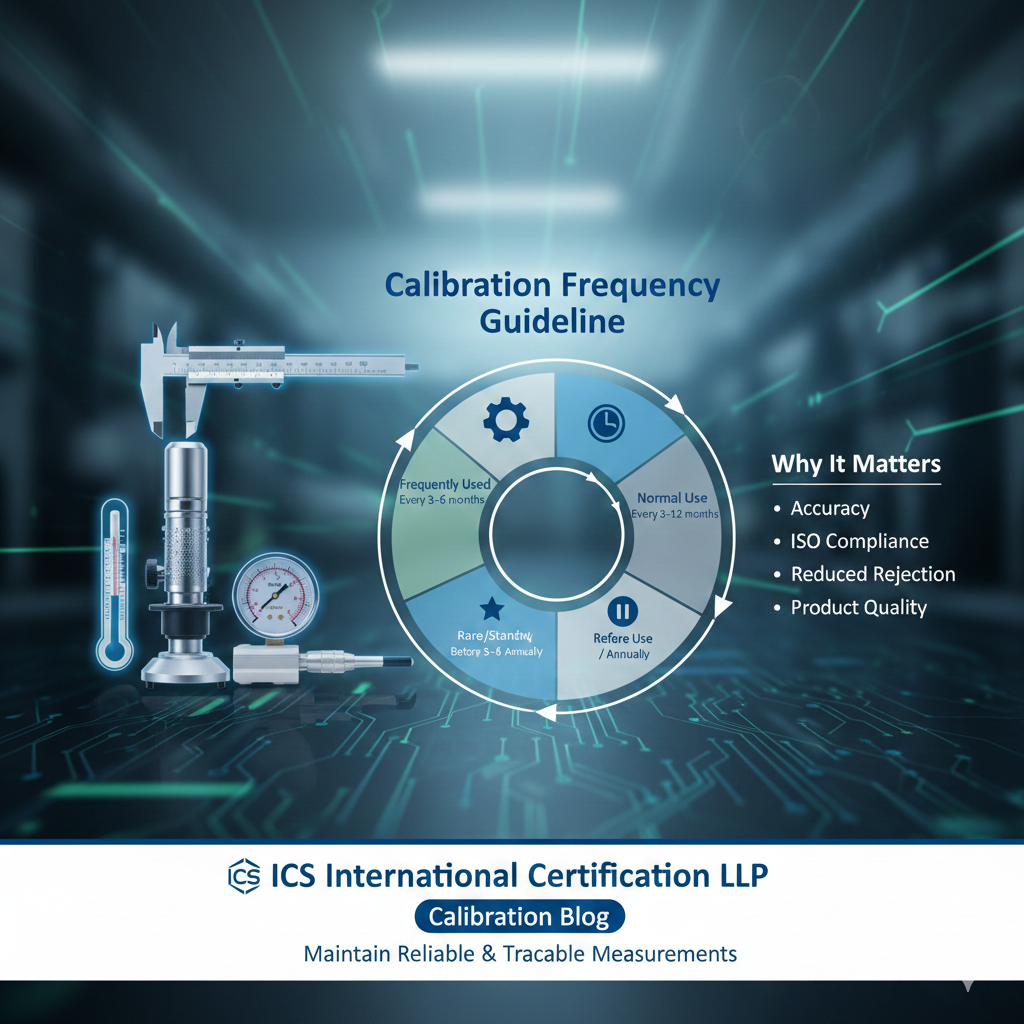
There is no fixed calibration interval for all measuring instruments. The frequency depends on usage, accuracy requirement, environment, and past performance of the instrument.

General Guideline

  • Frequently used instruments → Every 3–6 months
  • Normal use instruments → Every 6–12 months
  • Rare or standby instruments → Before use or annually
  • Master / critical instruments → Every 3–6 months

Why It Matters

Regular calibration ensures measurement accuracy, meets ISO requirements, reduces rejection, and maintains product quality.

Best practice: Decide calibration frequency based on risk, not just time.

ICS International Certification LLP helps organizations maintain reliable and traceable measurements through professional calibration services.
Leave a Reply

Your email address will not be published. Required fields are marked *

Explore More

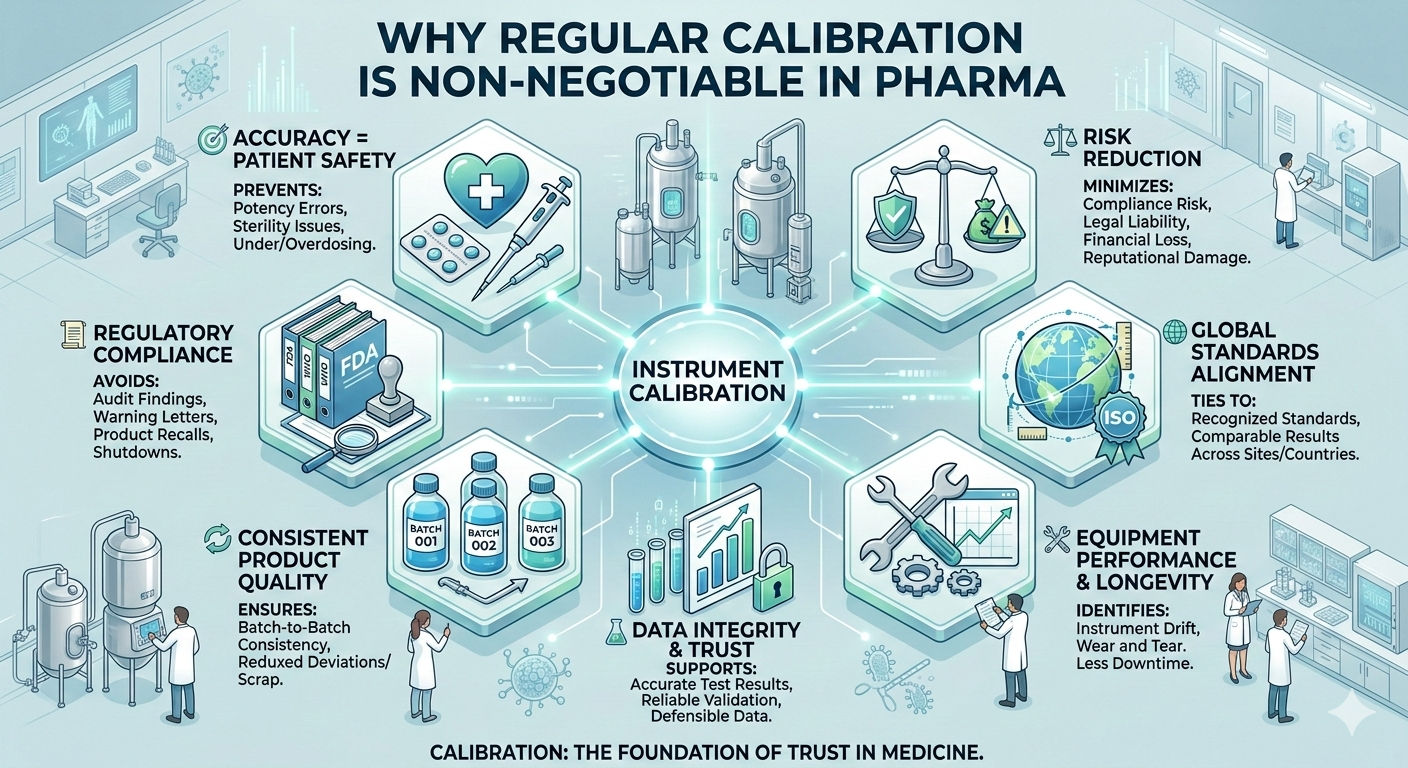
Why the Pharmaceutical Industry Needs Regular Calibration

In the pharmaceutical industry, precision is not optional. Every process, from raw material testing to final product release, relies on accurate measurements. Regular calibration of equipment ensures that these measurements

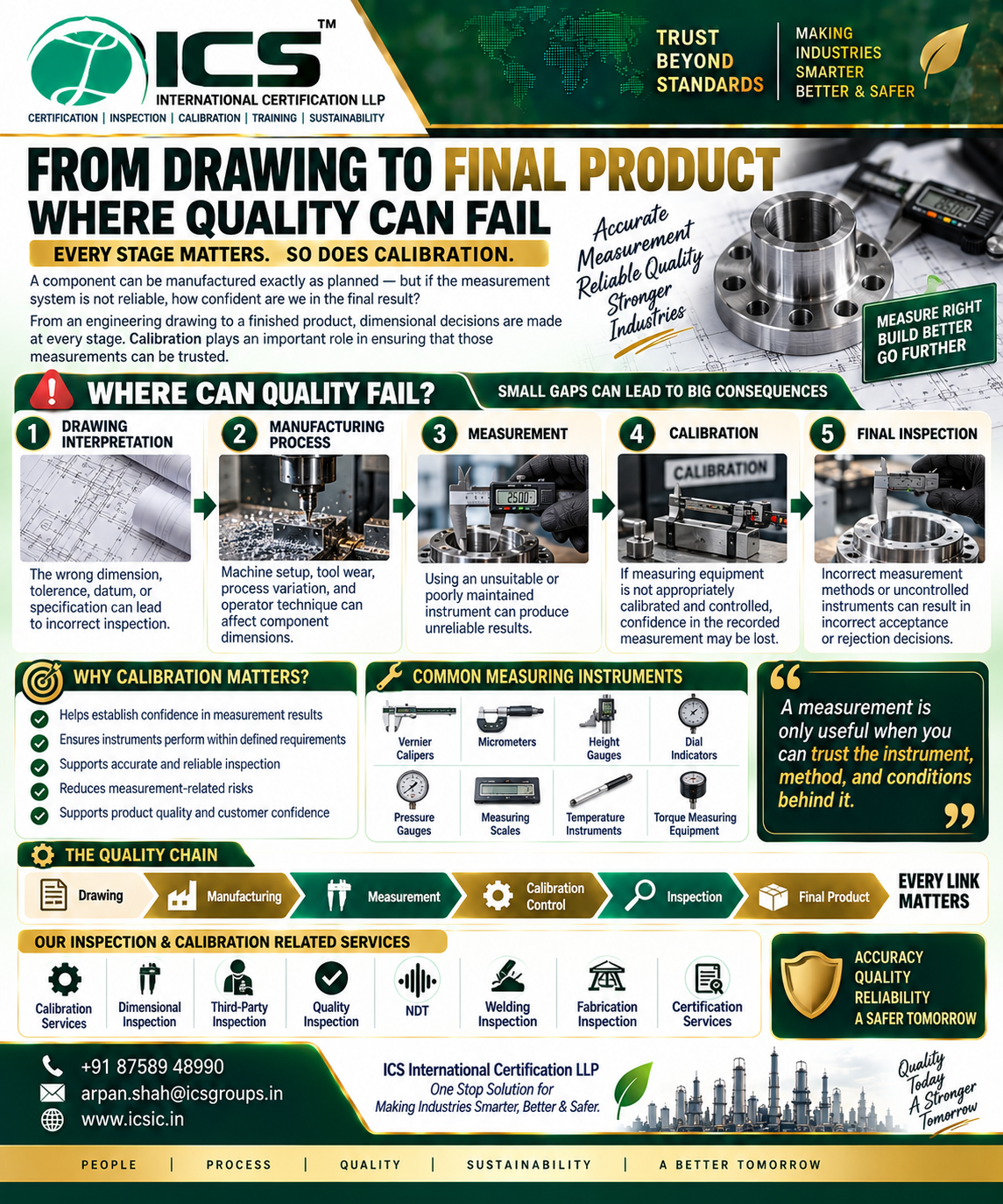
From Drawing to Final Product – Where Quality Can Fail

From Drawing to Final Product – Where Quality Can Fail A product does not become a quality product simply because it matches the engineering drawing. Quality is built through a

🏆 Celebrating Quality Excellence: Building a Culture of Quality in Industry

Celebrating Quality Excellence with a trophy representing accuracy, consistency, reliability, compliance, safety, and continuous improvement.

🏆 Celebrating Quality Excellence: Building a Culture of Quality in Industry Quality excellence is more than achieving a target, passing an inspection, or obtaining a certification. True quality excellence is