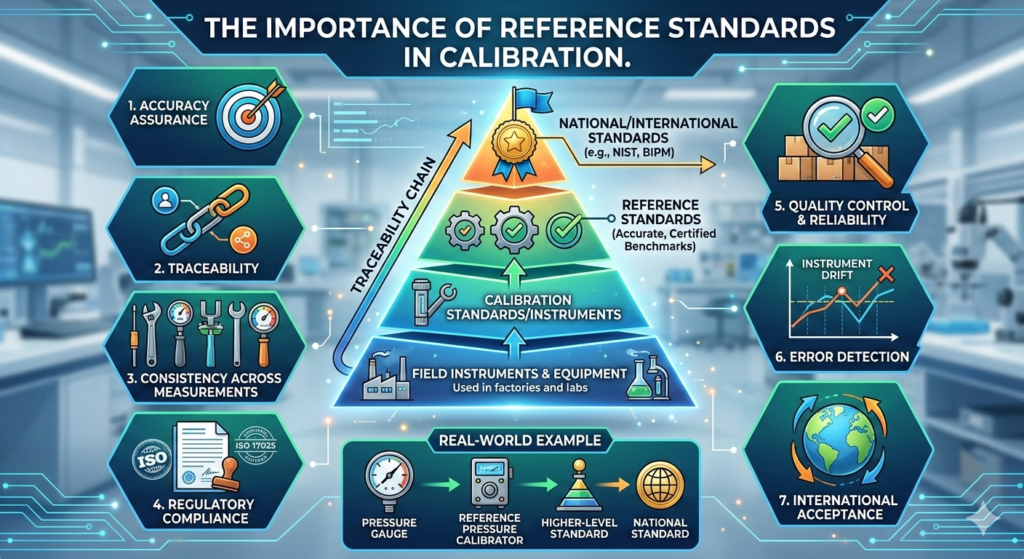
The importance of reference standards in calibration is fundamental to ensuring accurate, reliable, and consistent measurements across industries. Here’s a clear breakdown:
🔍 What Are Reference Standards?
Reference standards are highly accurate and stable measurement benchmarks used to compare and calibrate instruments. They are typically certified and traceable to national or international standards like those maintained by organizations such as National Institute of Standards and Technology or Bureau International des Poids et Mesures.
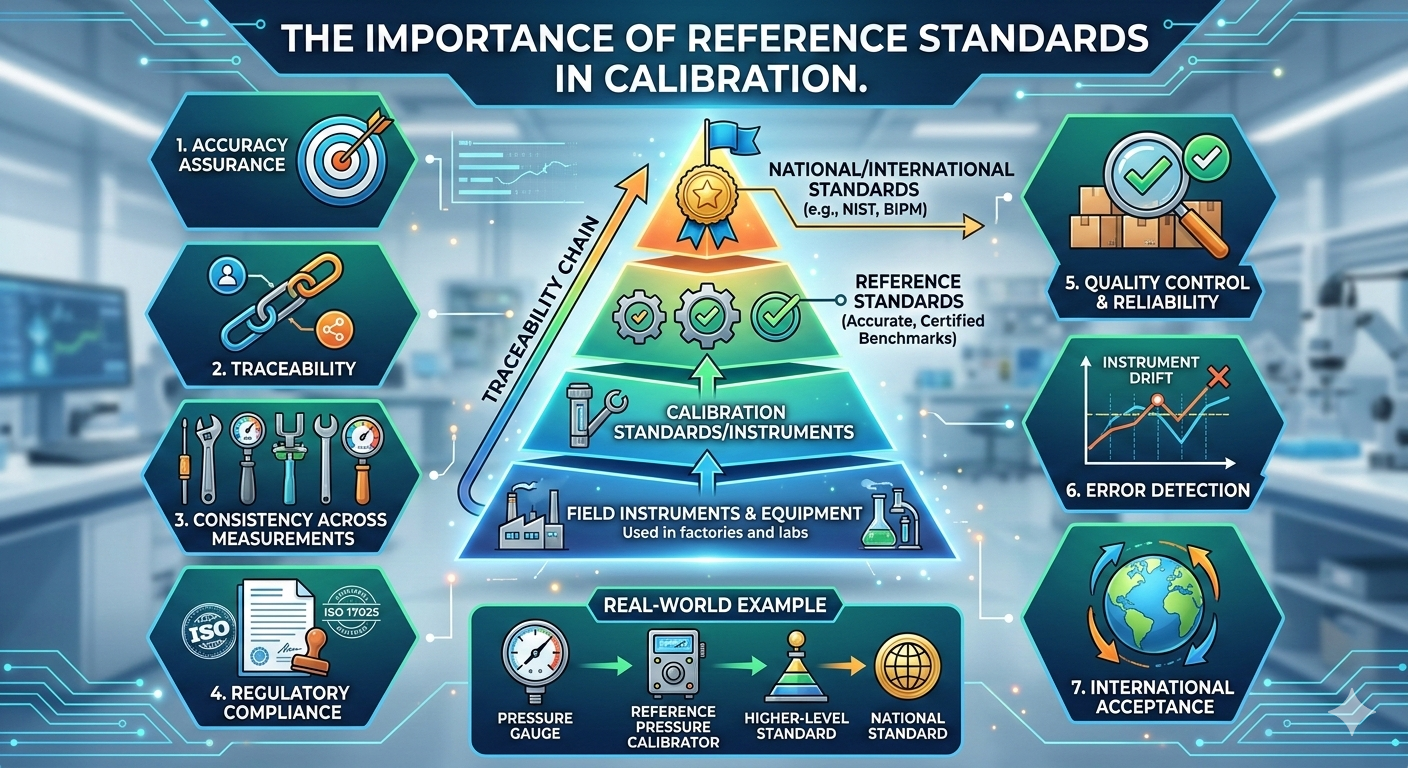
⭐ Why Reference Standards Matter
1. Accuracy Assurance
Reference standards provide a true value against which instruments are calibrated, ensuring measurements are correct and minimizing errors.
2. Traceability
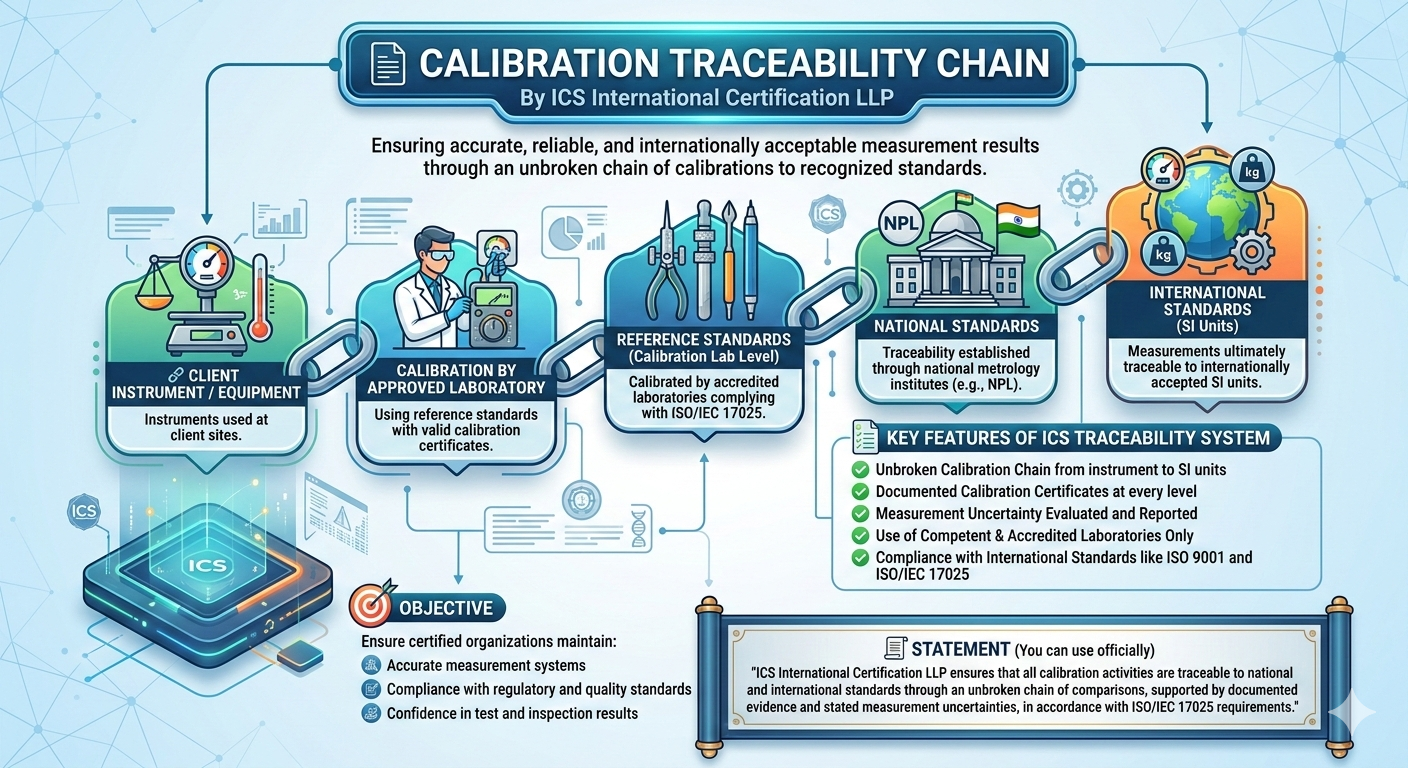
They establish traceability chains—linking measurements back to internationally recognized standards. This is essential for compliance with quality systems like International Organization for Standardization (e.g., ISO 17025).
3. Consistency Across Measurements
Using the same reference standards ensures uniform results across different instruments, labs, and locations, which is critical in industries like pharmaceuticals, manufacturing, and aerospace.
4. Regulatory Compliance
Many industries require calibration using certified reference standards to meet regulations from bodies like Food and Drug Administration or other national authorities.
5. Quality Control & Reliability
They help maintain product quality and process reliability, reducing defects and ensuring customer satisfaction.
6. Error Detection
Reference standards help identify:
- Instrument drift
- Measurement deviations
- Systematic errors
7. International Acceptance
Measurements calibrated against recognized standards are accepted globally, facilitating trade and collaboration.
🏭 Real-World Example
In a calibration lab:
- A pressure gauge is checked against a reference pressure calibrator.
- That calibrator is already verified against a higher-level standard.
- This chain continues up to a national standard → ensuring trust in every reading.
📌 Key Takeaway
Without reference standards, calibration would lack:
- Accuracy
- Consistency
- Credibility