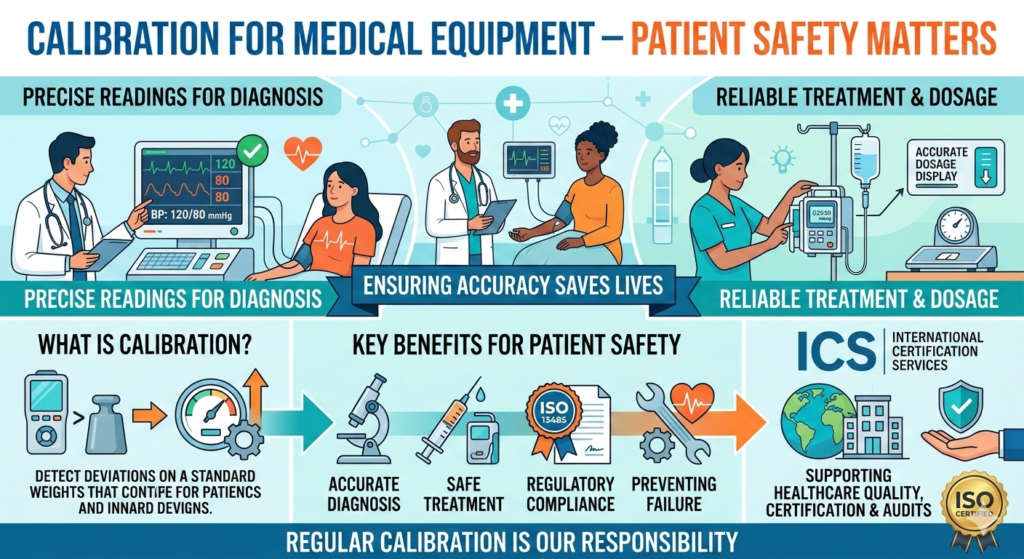
In the healthcare industry, accuracy is not just a technical requirement—it is a matter of life and death. Medical professionals rely heavily on diagnostic and monitoring equipment to make critical decisions about patient care. Even the smallest measurement error can lead to incorrect diagnosis, improper treatment, or delayed medical intervention. This is why regular calibration of medical equipment plays a crucial role in ensuring patient safety and healthcare quality.
What is Calibration in Medical Equipment?
Calibration is the process of comparing the measurements of a medical device with a recognized standard to ensure its accuracy. Over time, medical instruments may drift from their original settings due to wear, environmental conditions, or frequent usage. Calibration helps detect and correct these deviations so the device continues to provide precise results.
Common medical devices that require calibration include:
- Blood pressure monitors
- Thermometers
- Patient monitors
- Infusion pumps
- ECG machines
- Weighing scales
- Laboratory analyzers
Without proper calibration, these devices may produce inaccurate readings that can directly impact patient diagnosis and treatment.
Why Calibration is Critical for Patient Safety
1. Accurate Diagnosis
Doctors rely on medical equipment to evaluate a patient’s health condition. If equipment provides incorrect readings, it may lead to misdiagnosis or delayed treatment.
2. Reliable Treatment
Many medical treatments depend on precise measurements. For example, infusion pumps must deliver the correct medication dosage. Calibration ensures that equipment operates within safe limits.
3. Compliance with Healthcare Regulations
Healthcare facilities must follow strict quality and safety standards. Regular calibration supports compliance with international standards and regulatory requirements, ensuring that hospitals maintain safe operational practices.
4. Preventing Equipment Failure
Routine calibration also helps identify potential equipment issues early. This proactive approach reduces unexpected failures and ensures uninterrupted patient care.
5. Building Trust in Healthcare Systems
Patients trust healthcare providers to use reliable equipment. Maintaining properly calibrated devices reinforces confidence in the healthcare system and improves overall service quality.
Role of Calibration in Quality Management Systems
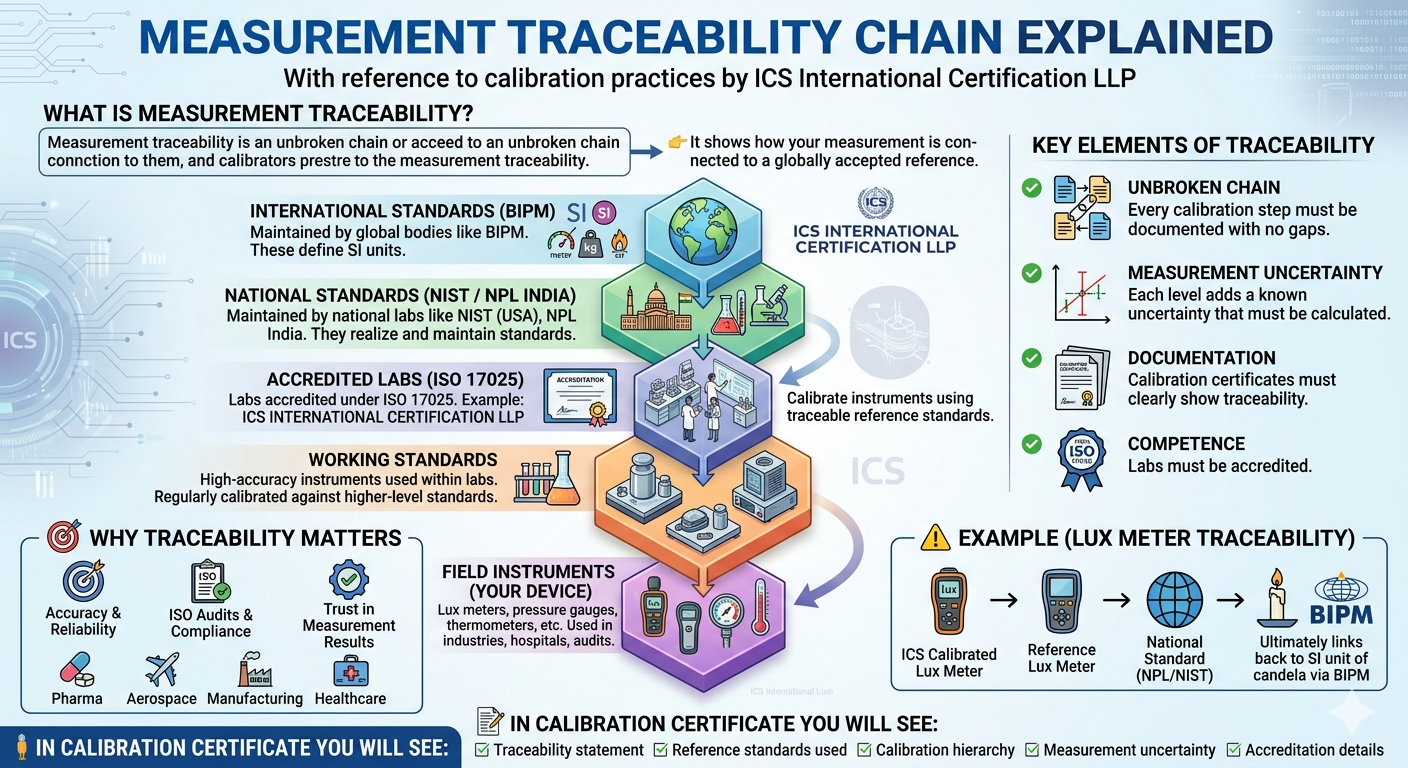
Healthcare organizations that follow quality management standards integrate calibration as part of their equipment control process. Standards such as ISO 13485 and ISO 9001 emphasize proper monitoring, measurement, and calibration of equipment used in medical environments.
Calibration records also serve as documented evidence during audits, demonstrating that healthcare providers are committed to maintaining safety and accuracy.
Best Practices for Medical Equipment Calibration
Healthcare organizations can improve reliability and safety by following these best practices:
- Establish a regular calibration schedule for all critical medical equipment
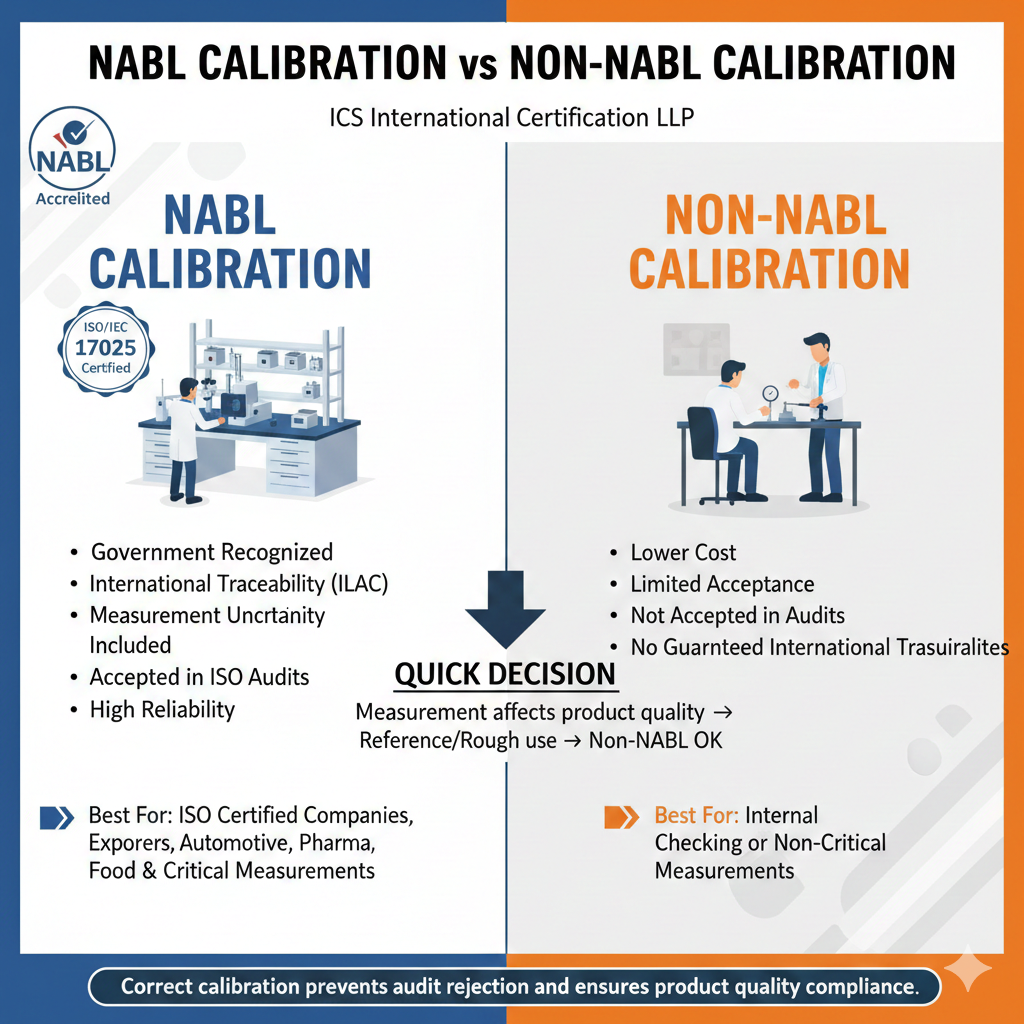
- Use certified and traceable calibration standards
- Maintain detailed calibration records and certificates
- Ensure calibration is performed by qualified laboratories or certified professionals
- Remove or repair equipment that fails calibration tests
How ICS International Certification Supports Healthcare Quality
Organizations such as ICS International Certification Services support healthcare facilities and medical equipment manufacturers by providing certification and auditing services aligned with international standards. These certifications help organizations maintain quality systems that prioritize patient safety, accuracy, and regulatory compliance.